Two Houses and One Quiet Heart
A daughter learns to read between the lines of a life split in two
Read more →
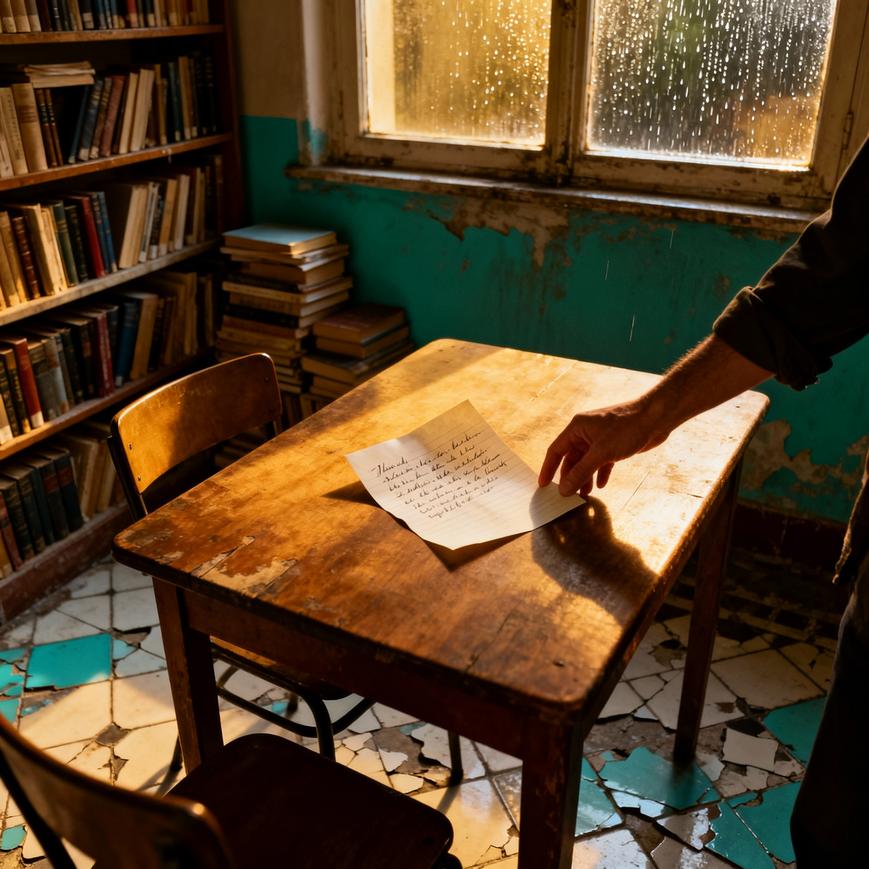
On windy afternoons, the light stretches thin across the chipped tile floor of Nora's shop-the kind of gold you see after a rain when even the oldest corners look startled awake. The bell above the door rings less these days, but Nora makes coffee strong and lines the window ledge with books whose spines lean toward the street, expectant. It's closing time when she finds the letter-a single, folded page tucked behind a rotating business-card rack someone meant to donate, now half-hidden beneath flyers for lost cats and part-time guitar lessons.
The envelope is cream, the script deliberate: _If anyone finds this, would you read a poem?_ There's no return address, only the neat signature: David Wells, #79216, St. Gregory Correctional.
Inside, more poems. Each line careful, carrying a hush that lingers after the words run out.
Threads Through Paper She could have left it alone, but something in the careful handwriting brings back the shadow of another letter-her father's, from years ago. Phrases trailing off into apology. Stashed among tax bills.
Forgotten, then not. The following day, she tacks up a note on the community board by the coffee condiments: _Anyone want to write back?_ She expects nothing.
But college kids on their laptops pause over it. An elderly man asks, squinting, 'He writes real poems? Not just angry stuff?'
and Nora shows him the letter, pages full of truce and regret. Two volunteers. Then six.
Soon, Nora spends Sunday evenings reading stacks of blue-lined stationery. Word travels: old teachers, retired nurses, the regular who always asks for double cinnamon. The back room fills once a month-folding chairs, thermoses, envelopes streaming the cramped optimism of queries and verse.
Jamie, her youngest barista, sits with a mug of peppermint tea beside a pile of letters. She reads aloud, voice wavering at first. _'I keep dreaming my hands are clean again.
My sister wrote-I think I might be forgiven.'_ When Jamie laughs-real, belly-deep-it startles her. 'Is it okay to laugh at this?'
Nora grins. 'He'd want you to.' They write back, sometimes just a line: _You're not alone.
I liked your poem about the old dog._ Sometimes more. They send used books-Toni Morrison, Vonnegut, a comic about gardening.
Inmates reply: lines grow steadier, then playful, then wistful. Each letter a cautious tether, flung over walls built of concrete and expectation.
The Color of Repair It's colder when David's letters begin to shift. Nora reads by the window on slow mornings-her hair damp from the rain-and traces, in his neat script, the shape of her own longing: _Once, a man lent me a dictionary. We made up new meanings for the words.
He showed me how a sentence can be patient, how to say sorry even when you can't send the letter._ Nora writes back, a little less guarded. About her dad's old boots by the back door, the radio left on to Spanish talk shows he never translated.
She tells David about the way her father pressed wildflowers in library books, as if naming things could hold them steady.
Turning Over Old Stones On a night thick with thunder, the usual rhythm of the shop's letter-sorting slows. The regulars pack up, shoulders brushing in the doorway, and Nora lingers to count envelopes-one, two, the sum of months in patience. She almost misses the newest letter from David, almost doesn't see the postscript beneath the poem: _Your name-I knew a man once.
Miguel Alvarez. He taught me how to write a poem, how to use an apology like a seed. We shared a cell, three years before he left for another place.
He talked about a daughter. Wild in his stories, stubborn._ Her hands tremble.
The world narrows to the scrawl of her father's name. For a moment she is twelve again, waiting in the back seat, engine off, night piling up at the curb. Her father's face, out of reach.
Bridges, Quiet and True She tells no one at first-just lets the discovery rest, like a pebble under her tongue. In quiet, David's poems open wider: old debts repaid in library corners, men trading stories over borrowed dictionaries, the ache of beginnings. Jamie reads a letter that week about forgiveness and finds herself silent, just listening to the scrape of rain on the shop's awning.
In time, Nora writes to David: _Thank you for telling me. My father was complicated-more teacher than parent. But maybe these letters are his, too.
_ The next month, the room is crowded. Volunteers swap stories, laughter brimming. Someone reads a poem about a father's shoes-laces frayed, soles tough, stubborn as hope.
When they clear the room, Nora pauses by the window. The city outside is quieter than she remembers-less wounded, somehow. The faded letterboards above the counter glow-_Write back.
Start small._ Light pools across the tiles, soft and gold, reaching.
A daughter learns to read between the lines of a life split in two
Read more →
A fog-draped night, two souls found, and the quiet shape of a life
Read more →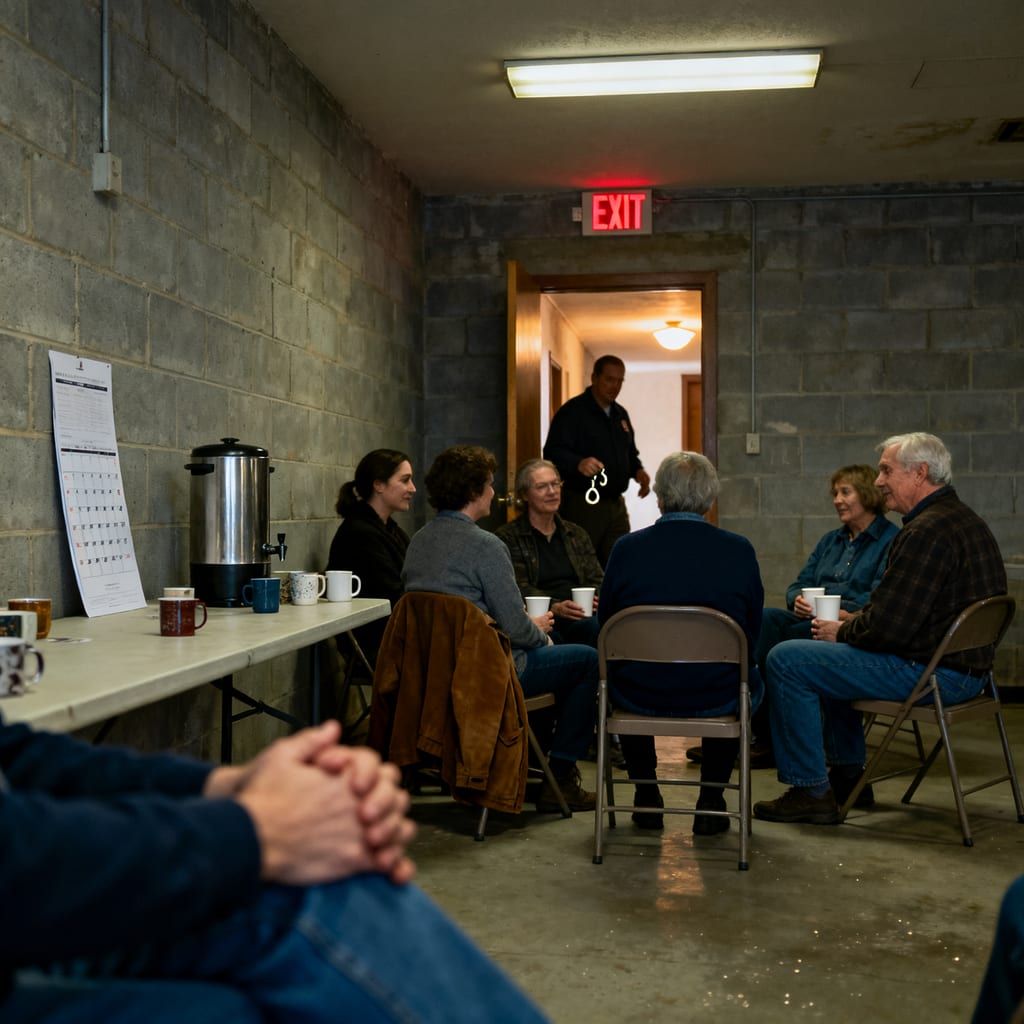
Story audiobooks for children of all ages — a new one every day on Smarter Way Stories.