Two Houses and One Quiet Heart
A daughter learns to read between the lines of a life split in two
Read more →
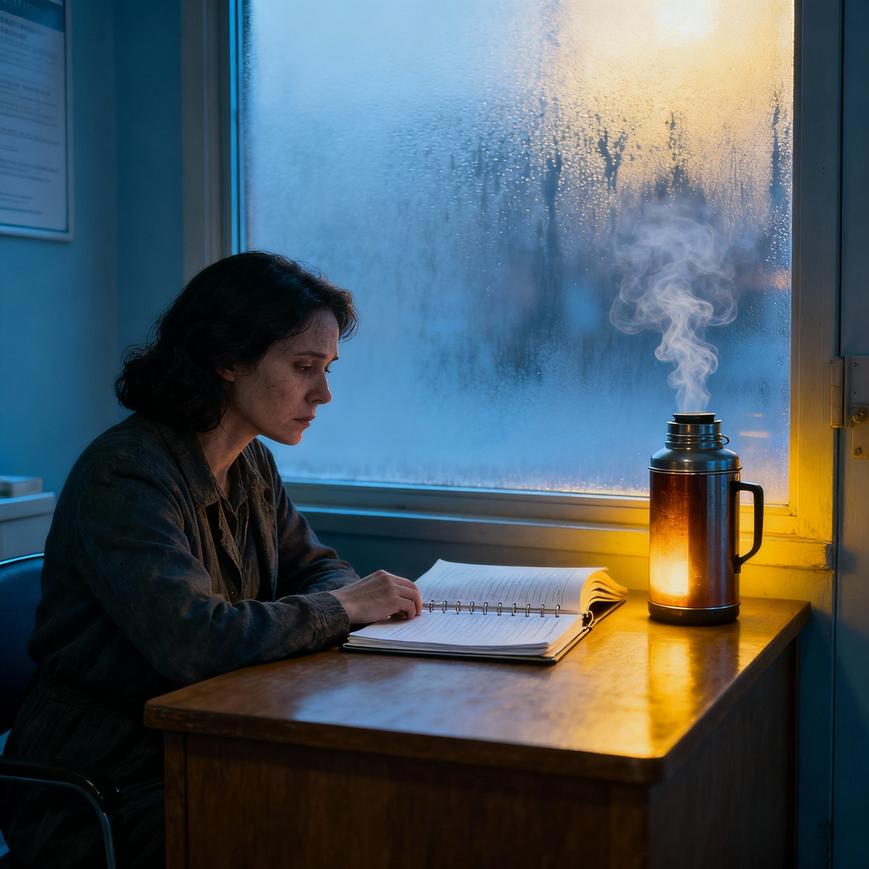
Lena Morales unlocked the clinic door at 5:43 a.m., fingers numb as she fumbled with the stubborn keys. Down the corridor, the hum of old fluorescents clicked awake, flickering across laminated safety posters and the scuff-marked linoleum. She poured her first cup of coffee-tan, thin, forgettable-drank, and watched the sun pry apart the graphite skyline.
People think of hope as loud, she sometimes thought. But most days, it comes in quietly, tugs on a coat sleeve, waits its turn.
The file box on Lena's desk contained a ledger thick with seven years of names. Each morning she read yesterday's entries-silently, lips barely moving-before starting fresh. There was the daily prep: clean cups, spartan waiting room chairs, a blue ledger, and the sheet of unlined paper she always left blank for herself.
At 6:12, the first client, Mr. Fishman, shuffled through the security door, eyelids heavy, cheeks windburned. Lena greeted him with her small, steady nod.
"Morning, Mr. Fishman. Any changes?"
He mumbled, "My feet hurt," rubbing the spot beneath old bandaids.
After his dose, while he sat in the quiet, Lena scribbled in her column: Came early. Sat straighter than Monday. Complained about feet. Eyes cleared when he laughed at the window smudge.
She never showed the notes. For her, they were a memory-a way to keep people from vanishing.
The winter weeks unwound with their usual cadence-dosing windows clicking open, mumbled gratitude, razored silences in the counseling room. But the walls, it seemed, grew colder. News whispered from cheap radios and cellphones: fatal overdoses two blocks north, three overdose deaths in one month. Then, the meeting where city officials announced funding cuts. The clinic's director handed Lena a paper with numbers:
"Forty percent less. For staff. For medicine. For everything."
On the subway home, Lena pressed her palm to her chest, as if steadying a wire inside her ribs. Grief didn't come out in words-not for her. Instead it pressed into habit, into ritual.
The need grew-clients knocking after hours, neighbors calling angrily about syringes in flowerbeds. Lena found herself volunteering for the new "outreach plan"-petition drives, phone calls, clumsy public meetings where gratitude and suspicion traded off like bad weather.
At one such meeting-folding chairs, instant coffee, mistrusting eyes-a woman from two blocks away stood up: "My son's gone. Will you bring him back?"
The ache twitched in Lena's belly. She wrote a name in her pocket notebook, not sure if she'd spell it right, but wrote it anyway.
The day Jamal didn't come was a Thursday. Lena kept checking the clock, waiting for his knock-the palm-flat tap, like he was reluctant to bother. By noon, the news had come: another overdose, his street, behind the boarded old pizza shop.
When the clinic closed at three, Lena stayed behind, sorting test kits and sweeping the floor longer than she needed. She emptied her pocket of that day's scraps-Mr. Fishman, Marisol, Henry-and Jamal's name, also scribbled, as always, with a brief note: Smiled when told the machine worked. Hummed along to radio. Wore red shoes.
She sat in the empty waiting room, listening to the hum of the vending machine, the only thing left running after hours. For the first time she could remember, she nearly tore her ledger in two.
It was late March-days stretching longer, hope still numbed by cold-when Lena looked up to see a woman at the reception glass. She was thin, coat swallowed around her, with a battered black folder under one arm.
"Ana." Lena's heart hammered, not daring to say more.
Ana hesitated. "It's still you, huh?" Her smile was tentative, teeth catching on a chapped lip. She slid the folder under the glass.
"I painted a mural. Not big. At the community center. Thought-maybe you'd want to see. One other thing, too."
Lena waited, hands folded, as Ana fumbled for a slip of paper-a scan, neat block letters, creased so many times the text was fuzzy. It was a sentence, signed L. Morales:
You have lasted through every morning before, and you'll last through this one, too.
"I used to copy it. Everywhere-bathroom walls, napkins. Sometimes, under my coat, just to touch when it sucked. I don't know. Just figured you should know."
Lena's throat tightened. For a second, the weariness slid aside-a sliver of warmth in her chest, as if sunlight had found a window she'd forgotten about.
The fight for the clinic was uneven, bureaucratic, slow. Some days hope sagged, small as the waiting room's plastic plants. But others-the mural going up, the neighborhood's cautious cooperation, a new round of grants squeaked through-the texture of survival faltered towards something like possibility.
At dawn some weeks later, Lena unlocked the door as usual. Her coffee was no stronger, her eyes no less tired, but she poured it anyway. Flipping open her ledger, she wrote a line at the top of the blank page, one hand pressed quietly to her pocket:
People think of hope as loud, she thought again, but most days it comes in on slippered feet, with a name, waiting its turn.
And then she welcomed the morning's first soul with a nod and a line, as habit, as scaffolding, as grace.
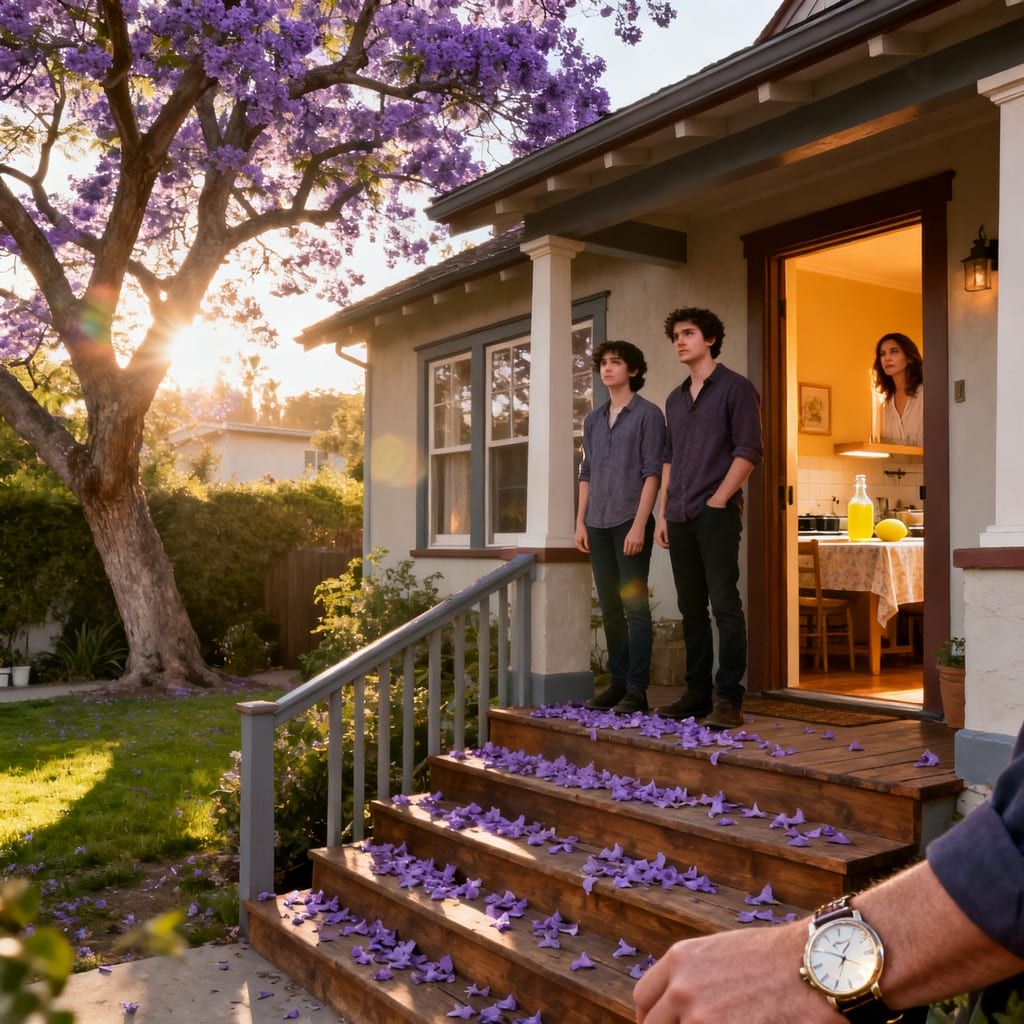
A daughter learns to read between the lines of a life split in two
Read more →
A fog-draped night, two souls found, and the quiet shape of a life
Read more →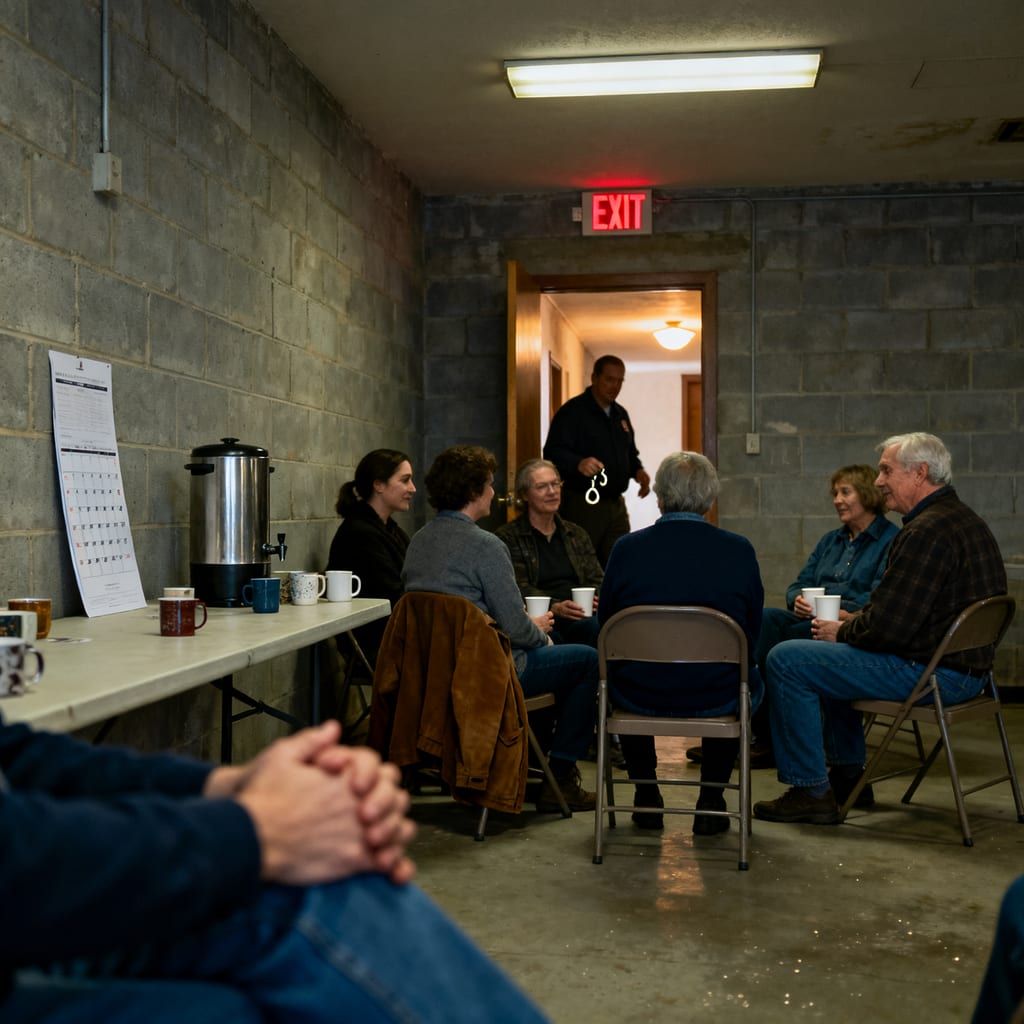
Story audiobooks for children of all ages — a new one every day on Smarter Way Stories.