Threads for Chosen Names
A room, a red blazer, and the courage that fits at last
Read more →
Leila learned to see by touching.
In the county lab's pale hum, she dampened clay and smoothed it over a skull replicated in resin. Her palms mapped the zygomatic arch, the slope of a nose, the place where lips might rest if only they remembered how. It was work that asked for listening. The dead told her things, not in words, but in humble notes: a repaired hem, a chipped locket, a filling from a clinic that had closed before she was born.
She logged them the way other people kept diaries. Each face a page that could still turn.
They called her River Jane, a body pulled from the canal back when smokestacks were still exhaling. The file wore its decades like a bruise. Leila flipped through photographs that had turned the color of tea, found the inventory-one red scarf, hand-mended along the long edge with a seam that refused to be invisible.
The 3D scan waited, patient.
Leila set the clay in place, a quiet ritual. Cheekbones first, then the mouth, then the soft muscle memory that made a person someone. She worked by the window, lake light trembling against brick buildings, the winter sky a hush of wool. Somewhere down the hall, a cart squeaked. Somewhere above, the El carried other lives along.
She leaned close to the scarf. The stitches were small and stubborn, like the handwriting of a person who learned the craft before patterns came with pictures. She copied the seam into the portrait-not only the thread but the cadence of it-and snapped the photo on a gray backdrop. Clay became almost-breathing.
She posted the image to the department page and the missing persons groups she trusted, captioning it with the few facts they had and one not-fact: "Red scarf, mended with care."
The message came two days later, polite and plain. A man named Arturo wrote: I think I know that stitch.
He invited her to his shop-a tailor's grotto on a corner where salt chewed at the curb. The bell above the door didn't ring so much as clear its throat. The place smelled of wool and steam, pins glinting from tomato cushions, yards of ribbon in old ice cream tubs.
Arturo's hands were thin, the veins like river maps. He held the printed portrait as if it could tip. "I used to do this seam," he said, tapping the scarf in the image. "Not many people bothered. Too much time. She stood in my doorway in a storm, scarf in hand. I was closing. I told her to come back next day. She smiled, said she had to wear it right then-night class to teach at the church basement. I fixed it. She said her name was Magdalena. Or Mags. Red scarf, always."
Leila felt her lungs open and then not quite. "Where was the class?" she asked.
He scribbled an address. "English, for newcomers. She said she liked starting with names."
The church basement had been shut for years. The window papered over with flyers that no longer recruited volunteers, the tape brittle as old leaves. Inside, dust made its own weather. But someone had left a bulletin board up-a collage of gratitude. Names written in careful block letters, tacked around a Polaroid of a woman in a red scarf pouring coffee into paper cups.
Thank you Ms. M! read one card. You make big words small.
Leila took a photo of the board and another of the Polaroid. In it, the woman's mouth tilted like it had learned to carry other people's burdens without complaint.
At the shelter around the corner, the director remembered the scarf before the face. "We had a lot of red in those days," she said, chuckling. "It was her flag. You needed a ride? She was there. Dentist for a toothache? She pointed you to the free clinic on 18th. She'd boil water for tea for everyone and somehow it tasted like you could keep going."
"Magdalena," Leila said, trying the syllables, rolling them like beads.
"Mags to some. She never scolded. She just showed up at the edges-bus stops, doorways. The waiting rooms where the air gets thick with holding it together. She made them thinner."
The city offered her pieces after that. The librarian who ran evening hours and said Mags left little note cards inside donated jackets: Stay warm, dear stranger. A crossing guard who remembered the way she stood away from the curb in snow, as if giving the storm room. A janitor who said that when his mother died, the lady in the red scarf had pressed his shoulder exactly once, like a stamp.
Each story felt like a stitch. None of them sewed up the manner of her death, but together they gave the cloth a name.
Back at the office, the coroner's assistant slid by her desk with a Styrofoam cup. "Your River Jane-there are folks calling. An online memorial's started. People are writing: 'Are you the Mags who...?' It's like a parade without a marching band."
Leila nodded, the clay dust on her sweater making a small constellation.
Her mother saw the portrait on Leila's phone at the kitchen table, where parsley wilted in a jar like a small green flag. The TV murmured in the other room, a sitcom laugh track apologizing for itself. The house smelled like cumin and fry oil-a Thursday habit.
Her mother went very still. The way people do when they are either remembering or deciding not to.
"Mama?" Leila said, setting the phone down between the salt and the lemons.
Her mother touched the edge of the image and then her own mouth. "Where did you find her?"
"She was found years ago, near the canal. We think she's-was-named Magdalena. We're working on making it official."
Her mother's eyes went wet without spilling. "I have to tell you something," she said, and the TV in the other room tried to brighten, failed.
"There was a night," her mother said, "the winter you were born. Blizzard-the kind where even taxis stay home. Your father was working a double and the landlord wasn't answering, and my belly was tight as a drum. I went to the shelter on 12th because the lights were still on. The woman at the desk said, 'We can't deliver babies here,' but then this other woman came from the hallway with a red scarf around her neck like a flag in a white field. She boiled water. She took off her coat and handed me her sleeves to hold on to. She said, 'Breathe slower. Look at me. You can do it.' She didn't say her last name."
Her mother smiled through it, astonishing herself. "She laughed when you wailed. She said, 'Those eyes will never stop wanting to know.' And then the ambulance came and carried us away like a story already ending. I tried to find her later. I brought a tin of cookies. They said she'd moved along."
Leila sat there while the kitchen filled with the sound of a kettle about to boil and not boiling. The clay beneath her fingernails felt like another person's fingerprint.
"Mama," she said finally, not sure which part of her voice had said it.
Her mother reached across the lemons and pinched her cheek the way she had when Leila was small. "You brought her back," she whispered. "Look at you. You brought her back."
There were forms for it, signatures and attestations. But names also require witness. The coroner's office prepared a revised record. The online memorial grew into a field of candles made of pixels and commas.
Leila watched the screen at her desk as messages arrived like slow snow. Thank you, Mags, for finding me an apartment when I was sleeping on the Blue Line. Thank you, Mags, for telling my brother the joke about the priest and the donkey until he laughed in spite of himself. Thank you for the coffee in the hospital hallway. For translating the words I didn't know how to say yet.
Under a photo of the red scarf, Arturo wrote, I fixed this edge. She wore it out the door.
In the filing system where River Jane had once been one more anonymous digit, there was now: Magdalena (last name unknown), approximate age, date found, cause of death undetermined, next of kin-none known. And still, the page felt full for once.
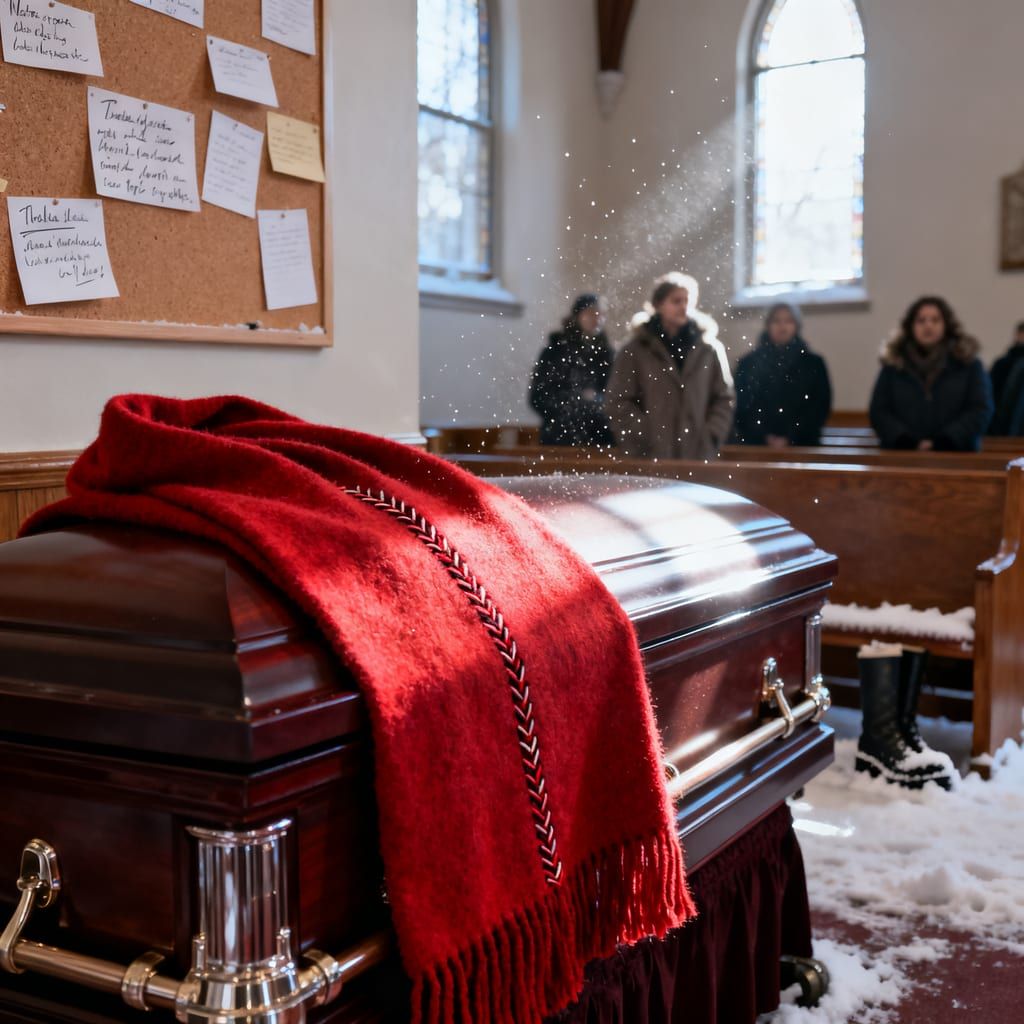
They held the memorial in a chapel that never learned to be completely warm. Winter sunlight lay like a hand on the pews. People came the way they came to bus stops: quietly, bundled, carrying the burdens of their days.
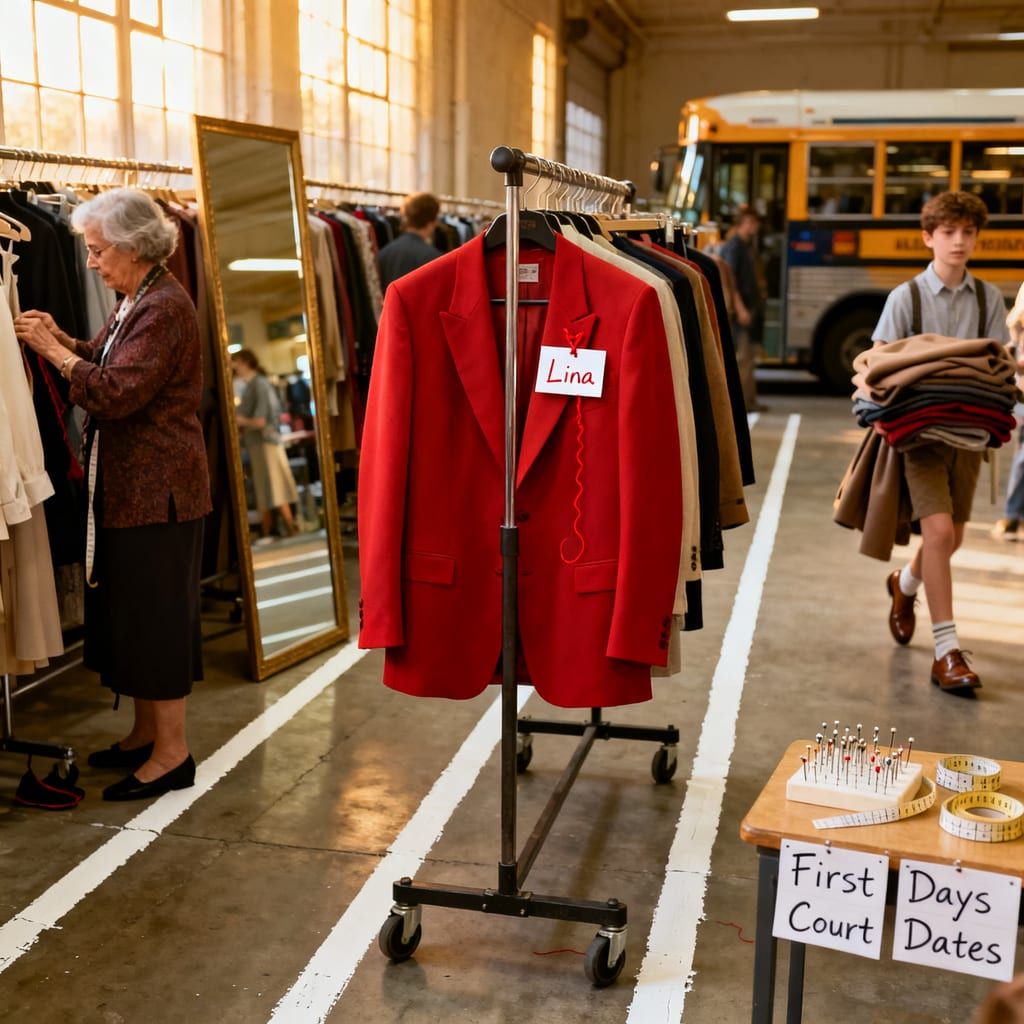
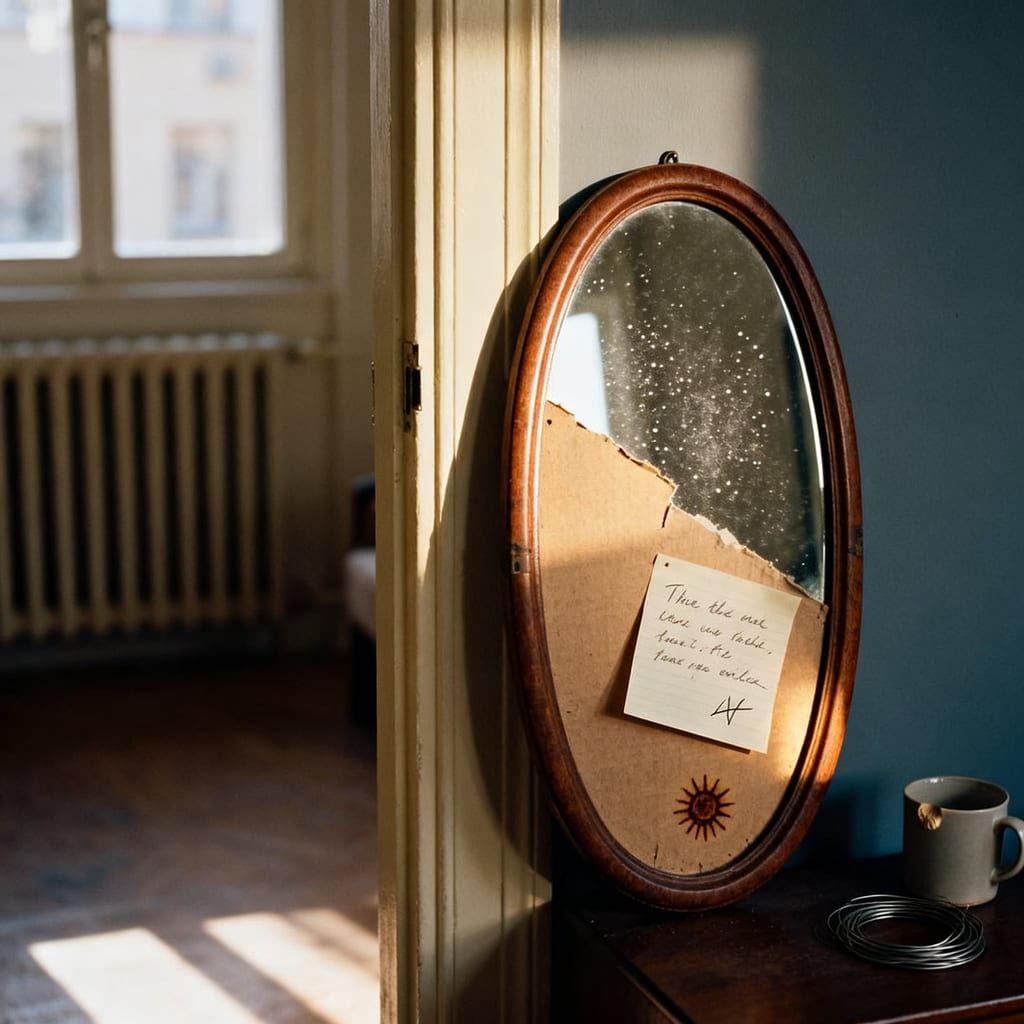
They spoke when asked. They said, "She showed me how to lace my boots tight before walking on ice." They said, "I was a mess and she didn't flinch." A woman in a thrifted blazer said, "She wrote my name on a Post-it note and stuck it to the mirror: 'This is how it looks when you say it. Don't let anyone make it smaller.'" A man with forearms like rope said, "I don't know why she was at that waiting room the night I needed to hear that my father forgave me, but she was." The old shelter director stood up and laughed once, simply from having survived that many winters, then told the story of a woman who would refill thermoses without being asked.
When it was Leila's turn, she almost said nothing. The room didn't need her. But she went to the front and carried with both hands the thing she'd brought-the red scarf Arturo had kept all these years in a box at the back of his shop, the seam nearly invisible until you looked close.
She touched the fold of it to her lips because her body asked her to. Then she laid it on the closed casket-a small, bright river.
She didn't say, "You helped me be born." She didn't need to. Her mother sat three pews back, holding a tissue like a flag of surrender and pride. Their eyes met. The kettle inside them both came to a boil and then settled.
After, in the thin air outside, the city coughed up its usual chorus-sirens, laughter, someone arguing lovingly into a phone. People took paper cups of weak coffee from a folding table and turned their faces to the pale sun. Leila stood among them and felt the shape of what she did shift, just slightly.
The faces she sculpted were not only a way to return the dead to themselves. They were a way to hand the living a contour for gratitude and grief. A cheekbone to thank, a mouth to forgive. A seam to follow back through the years to the person at the edge of things, making the edges kinder.
On her way home, Leila passed a bus stop where a woman hunched against the wind, shoulders asking for a little mercy. Without quite meaning to, Leila reached into her bag and found a pair of gloves she kept for sculpting-fingerless, clay-stained, warm. She tapped the woman's elbow, offered them.
"Take," she said, and the woman did, and the sound of the bus arriving was a hymn without words.
That night, Leila washed the clay from under her nails more slowly than usual. She set her tools in a row. She thought of a laugh in a blizzard and a baby with curious eyes. She thought of a seam done not to be seen but to make something whole enough to be worn again.
In the dark, the city kept breathing. Names traveled-some on paper, some on wires, some across a red length of wool, mended by a patient hand and passed from one stranger to another until, at last, it found its way home.
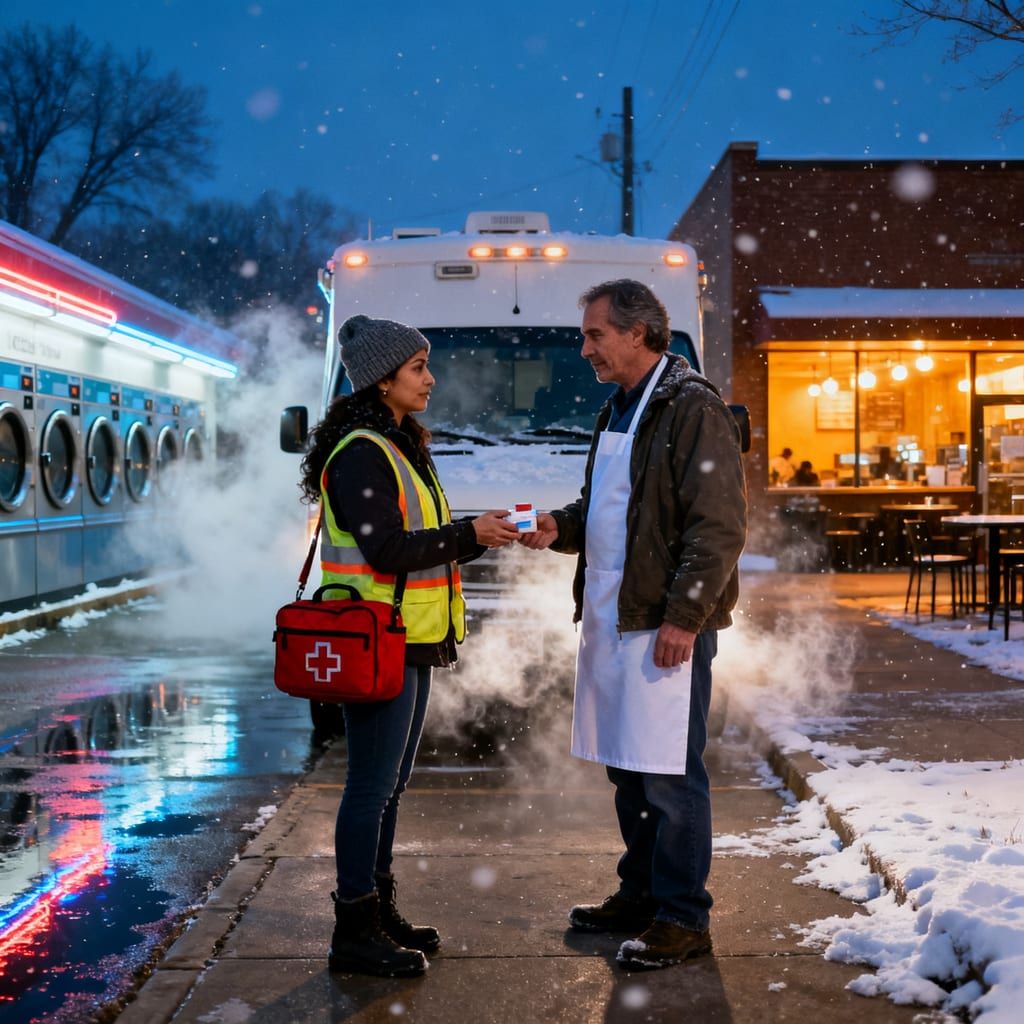
Between a laundromat's hum and a café's light, a van keeps score another way
Read more →Story audiobooks for children of all ages — a new one every day on Smarter Way Stories.