Paper Cranes at Shift Change
A winter of small mercies, folded and kept
Read more →
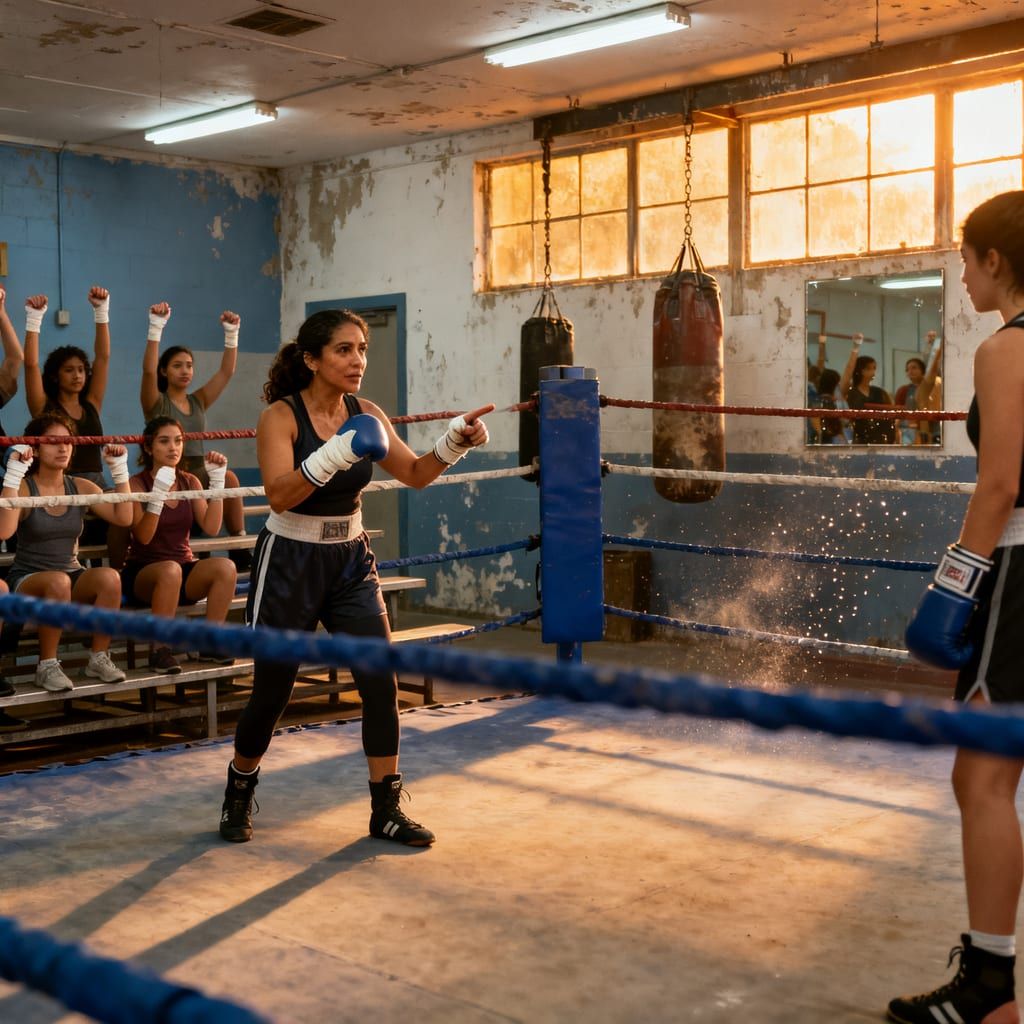
The gym on Halsted smells like dust and orange cleaner, like metal and old heat. The sign is sun-faded, the E in BOXING half gone, a missing tooth in a smile that still means business.
On Mondays, the room fills before dusk-ten women in sneakers and grocery-store leggings, slide-whistling jump ropes, tape whispering as it unspools. No mirrors. No shouting. Only the thud of mitts, breath like a tide, names learned and said like promises.
Lena Morales sets her feet on the cracked blue canvas and says, "Hands up, chins down. Breathe in on the step, out on the punch." Her voice is even, river over rock. The rules are simple because simple holds when the heart runs.
She pads between pairs, adjusting a stance, cupping a shoulder blade. "There. Feel that? That's your space." The bags cough when hit, the old speed bag hiccups, someone laughs-brief, bright.
Noor walks in late, ribs mapped under her sweatshirt, a bruise like spilt ink ghosting her side where the fabric rides up. Thirty-three, hair tucked, hands tucked, eyes steady and kind.
"First time?" Lena asks, looping the wraps around Noor's wrists like gifts at a kitchen table.
Noor offers the story people practice until it turns bland, harmless. "Stairs."
Lena doesn't look away. She knows that euphemism, the way it stands in as a neat bandage for something jagged. She also knows those eyes-recalls fluorescent hum, the shake in her own hands, a cold pack pressed to a cheekbone years ago. A card slid into her palm without a name attached, only a number and a sentence: Drink water. Call someone when you get home.
"Welcome," Lena says, and tucks the tail of the wrap in like the end of a lullaby.
They start with mitt work. Step, turn, snap. Noor breathes like a nurse counting pulses. She moves careful, then less careful, the noise of leather on leather enough to drown the rest out. The room becomes a chorus: thud, thud, thud-women learning to turn toward the force instead of away.
Between rounds, the fan creaks like an old hinge. Someone asks if they can bring a friend next week. "Bring two," Lena says, and draws a line through the date on her paper calendar because it already belongs to them.
Word gets around. The shelter posts a photo: ten pairs of taped hands like white birds. A local promoter calls Lena at lunch, voice slick with possibility.
"Charity exhibition," he says. "All proceeds to the shelter. City loves a comeback. You were a name once. Be a story again."
The word comeback clinks against her like a coin. She hasn't fought in eight years-not since she left the man who used to time her bruises against the bathroom mirror light.
"No sparring here," she says. "That's my rule."
"Exhibition," he insists. "Three rounds. Headgear. You're a hero for a night. Press. Donors. Think of the cause."
She hangs up and stands at the window above the ring, watching women circle and breathe. A bag swings, slow after being hit, returning by itself to center. Her chest tightens with the knowing that sometimes the smartest way to keep a roof from collapsing is to brace a beam you thought you'd retired.
She doesn't say yes. She doesn't say no.
He comes on a Thursday, as if the rules of the week don't matter to men like him. Heavy with swagger and apology, knuckles chapped, a smudge of work day on his cheek. Noor pauses mid-combination, mitts low.
"Hey, babe," he says, his voice soft-metal bent. "Let's go home. We're good, yeah? I said sorry."
The room goes still. Jump ropes stutter and fall. The fans whir on, innocent as clouds.
Lena steps forward, no gloves, no fists-just footwork and a voice she's sharpened like a blade made to cut ropes, not skin. She plants, pivots half an inch, makes the doorway into a border.
"You don't belong here," she says. The words land like a jab.
He lifts his chin, eyes flicking over the room, measuring. "I'm here for my girl."
"She's not an object to fetch," Lena says. "You can wait outside or you can leave."
Silence eddies. Then the sound of wraps tightening-soft and deliberate-as one by one, the women step to stand behind Lena. Not crowding. Spacing even. Hands wrapped. Breath synced.
Noor doesn't move. She doesn't need to. The line is already drawn.
He falters. The swagger drains, left on the concrete like sweat. "This isn't-" he starts, and can't find the end of the sentence.
"It's exactly what it is," Lena says, and holds his gaze. She doesn't flinch.
He leaves. The door swings open and shut with a small, embarrassed clap, as if even the hinges are relieved.
Lena lets out a breath she didn't know she was holding. Someone laughs again, shakier this time. Noor's eyes are wet, but her shoulders drop a fraction, like a pack just set down.
"Back to it," Lena says, softer now. "Three more rounds."
Days later, the hospital smells like alcohol wipes and burnt coffee. The night is winter-bright beyond the automatic doors. Lena carries a grocery bag with a box of frozen peas, a paper-wrapped pair of hand wraps, and a note she wrote then rewrote until it felt like breathing.
In the fluorescent quiet of the break room, Noor sits on a chair with her feet tucked under it, scrubs marbled with the shadows of a shift. A vending machine hums like a bored singer.
"You didn't have to," Noor says, nodding at the bag.
"I wanted to," Lena says, setting the peas in the freezer that never fully freezes. She slides the paper-wrapped wraps across the table like a secret shared.
Noor taps the packet with a finger, then doesn't open it yet. "I was there," she says. "A long time ago. ER. You were-" She searches for a word that isn't broken. "You wouldn't look up."
Lena stares at the laminate tabletop until the fake wood grain blurs. She can feel the cold pack again, the flimsy blanket, the way someone had spoken to her like she was a person, not a problem. A card in her palm, a voice instructing her to drink water, to call someone when she got home.
"I always wondered if she made it out," Noor says, voice careful, carrying its own tender history. "If the card helped, or if it was stupid to believe a tiny thing could matter."
Lena smiles; it feels like taking off a weight. "She did," she says. "I'm teaching Mondays."
Something unknots in Noor's face. She opens the wrap paper, reveals the soft white length waiting to be wound.
"Okay," she says. "Then I'll be there."
They sit for a while, sharing a bad apple from a bowl, counting off the beats of this small mercy. Somewhere, a code blue is called and answered. Somewhere, a radio plays a song from high school. Here, two women stack quiet into a shelter.
The night of the charity fight, the locker room hums with nerves and cedar oil. Tape snips snap the air. A photographer crouches, trying to make art of laces and sweat. Lena wraps her own hands by the sink, the mirror above it dull with age, less reflective than it is forgiving.
She'd said yes after the doorway day, the decision slow as weather forming. It wasn't about story, or the city, or becoming a headline. It was about pointing a beam at a house and keeping it up through a winter.
She steps out to the tunnel's mouth. The gymnasium is brighter than she remembers, a cheap glare that makes everyone look holy. The shelter's banner hangs crooked but proud. Her students file into the bleachers, Noor among them, a hoodie sagging open to reveal tape peeking from her collarbone like a stitch.
Lena looks at them-at palms bandaged like soft flags-and feels the way ring ropes give a little when you lean, then hold.
Across the canvas, a younger opponent bounces, eager, respectful. "Big fan," she says, glove bumping glove. Lena nods, hears only the sound of her own heart, newly steady.
The bell rings. Round one floats toward her, smelling faintly of disinfectant and popcorn.
She doesn't throw many punches. She doesn't have to. Her feet remember-to step to the left of a jab, to make absence look like art, to turn a body into a disappearing act. The younger woman chases what she can't catch; Lena's shoulder slips, her breath measures.
In the second round, an opening yawns and closes. Lena could take it, could plant and throw and land the kind of cross she still dreams in. Instead she taps, checks, lives in the in-between. The crowd begins to understand what they're watching-to feel the tautness of restraint, the architecture of survival.
Between rounds, water touches her tongue and tastes like lake mornings. Her coach for the night-an old friend with a crooked grin-leans in. "You're writing it," he says. "On your terms."
She nods. Looks again at the bleachers. Noor smiles, two teeth slightly crooked, joy prying its way in.
Round three is a dance. The bell is a boundary she has chosen. The ropes are a fence she knows the gates to. The past knocks once, twice-and she lets it move on.
The final bell is a warm coin in her palm. The ref raises hands, calls it what it is: an exhibition, a benefit, a night.
But the crowd rises for something else. They stand when Lena points to the corner where her class sits, when the women lift their bandaged palms like a blessing. The applause feels like rain that doesn't ask questions.
Monday comes again, as it always does. The gym is fuller. New faces hover by the door, apologizing with their shoulders.
Noor holds mitts for a newcomer with a crescent scar along her jaw. "Chin down, hands up," she says, voice a soft command that sounds like you live here too. She adjusts a stance, redirects a fist so it doesn't overreach and topple its owner.
Lena moves through the room, counting with the breath, calling combinations. She stops by the old speed bag, now tightened so it hiccups less, and lets it taste her knuckles. It chatters, quick, happy to see her again.
In the far corner, someone asks if the fight was hard. Lena thinks of the doorway. She thinks of a paper card in a shaking hand. She thinks of ten women inhaling together until their rib cages form a ribbed cathedral.
"It was three rounds," she says. "We already had the bout."
Outside, the sun leans back into the city, painting the brick warm. Inside, the air smells the way it always does, like work and hope and the tinny sweetness of victory prepped but not paraded.
They go three rounds. Then another. They learn to set their feet and, together, refuse to move just because something pushes. They fight back, one quiet round at a time.
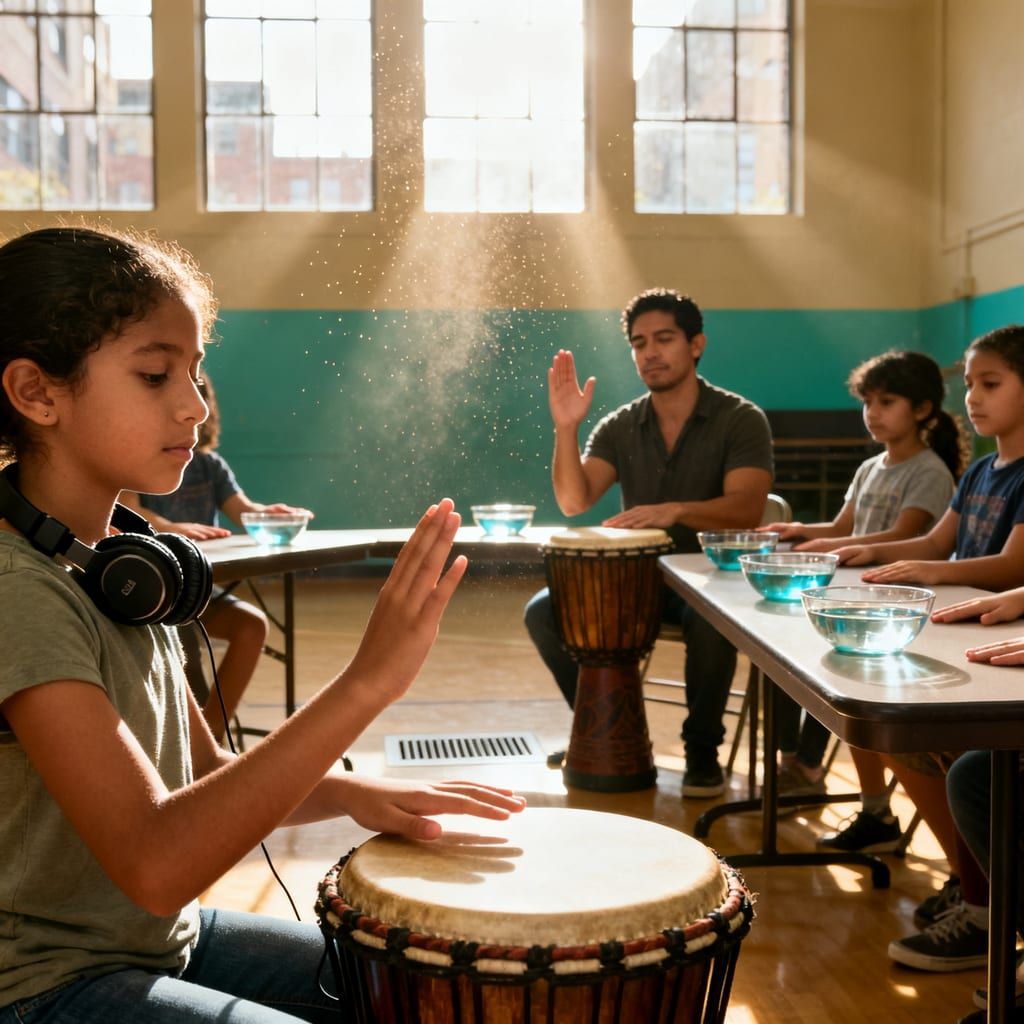
A drummer learns to listen for the rhythms you can't hear
Read more →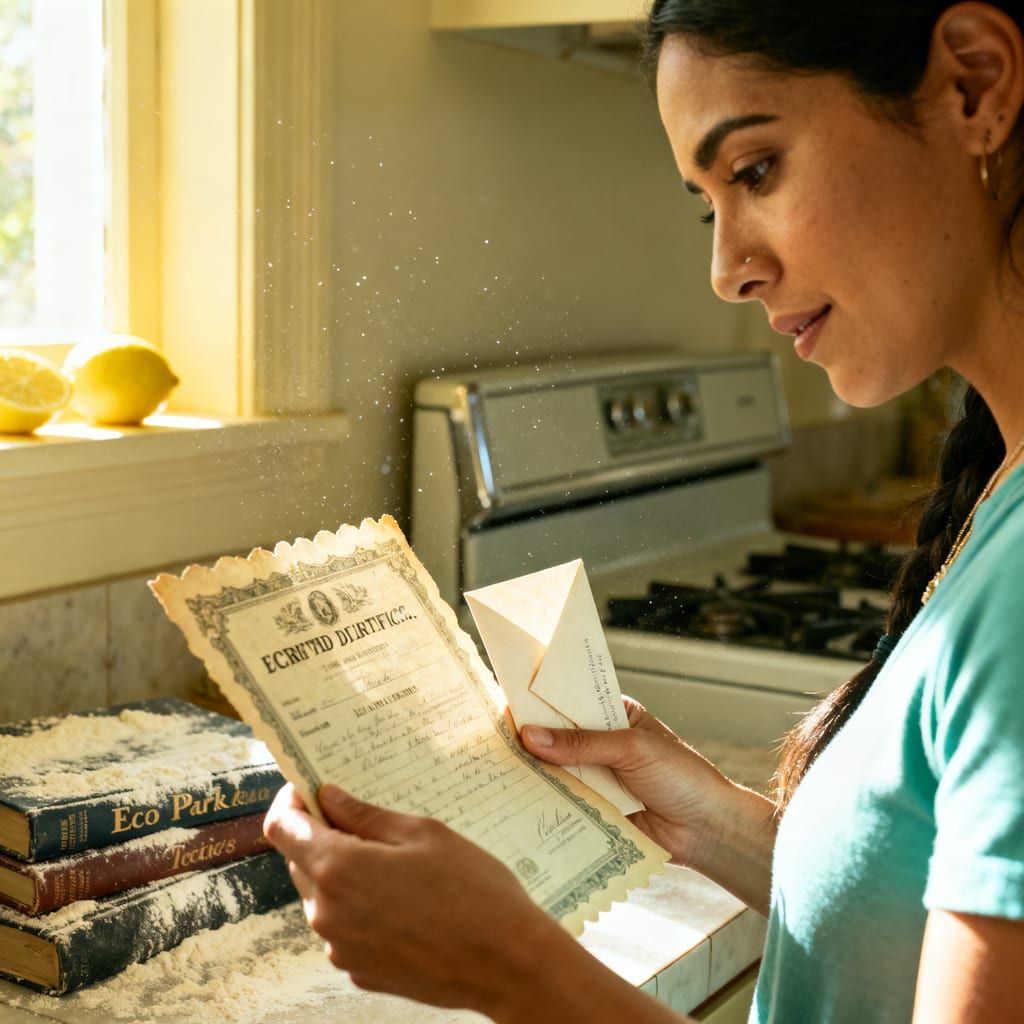
In Los Angeles, a daughter learns how to carry two lives forward
Read more →Story audiobooks for children of all ages — a new one every day on Smarter Way Stories.